NEJM: world's first successful gene therapy clinical trial for sickle cell disease
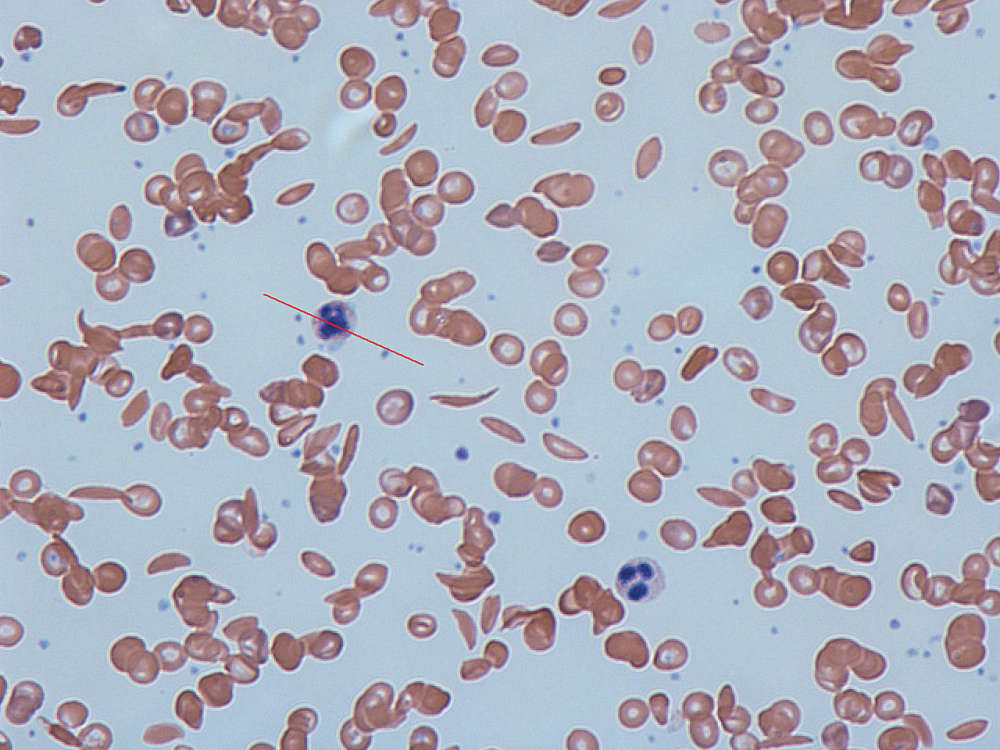
Yesterday's New England Journal of Medicine published a research result: BlueBird Bio of the United States and Necker Children's Hospital in Paris collaborated in a clinical trial (NCT02151526) to help a fortunate 15-year-old boy "escape" the symptoms of sickle cell disease (SCD) [1]! Before receiving treatment, the boy had already developed severe complications, including vascular occlusion, acute chest pain and bilateral osteonecrosis of the hip. After treatment, he returned to school and fully resumed a normal life, able to attend school and take part in sports like other teenagers. Although all medications, including painkillers, were stopped, he has never been readmitted to hospital for sickle cell disease. The once severe complications also "vanished": MRI scans of his head and lower limbs showed no intracranial lesions, and no new tissue damage in his bones and joints! This is truly remarkable!
SCD arises because the beta-globin gene in normal hemoglobin HbA is mutated, replacing glutamic acid in the protein chain with valine, turning HbA into the harmful hemoglobin HbS, so that patients' red blood cells become sickle-shaped. SCD is one of the most common monogenic inherited diseases worldwide, with about 275,000 newborns affected each year [2]. To date, the only potentially curative approach has been allogeneic hematopoietic stem cell transplantation, but fewer than 18% of patients can find a matched donor, and severe rejection after transplantation often greatly diminishes the treatment effect [3].
With the development of new technologies, many researchers have turned their attention to gene-level therapy, hoping to solve the problem at its root. In October 2016, researchers from the University of California, Berkeley used CRISPR-Cas9 gene editing technology to repair the disease-causing mutation site in sickle cell patients' cells, and the repaired hematopoietic stem cells formed normal red blood cells after transplantation into mice [4].
However, this time BlueBird Bio and Necker Children's Hospital did not use CRISPR-Cas9 technology. BlueBird Bio developed a drug, LentiGlobin BB305, which links an antisickling beta-globin gene to a lentiviral vector, introduces it into hematopoietic stem cells isolated from the patient, expands these cells in vitro, and finally infuses them back into the patient. Re-expression of the recombined gene produces normal HbA, creating an "anti-sickling effect".
The treated boy had received hydroxyurea treatment and blood transfusions between the ages of 2 and 9; clinically, hydroxyurea is believed to increase normal hemoglobin levels and prevent organ damage caused by the disease. However, the boy showed no obvious symptom improvement after treatment, so in May 2014 (at age 13) he joined this clinical trial. After a series of preparations, he finally received treatment in October.
Because the boy's complications were severe, to ensure his health and safety before the treatment took effect, the researchers decided to continue transfusion therapy until a sufficient amount of HbA (about 25-30% of total hemoglobin) was detected. On day 38 of treatment, neutrophils reached normal levels; on days 88 and 91, HbA and platelets also reached normal levels. After stopping transfusions, the researchers continued to monitor his hemoglobin levels. At months 9 and 15, HbA reached 5.5 g/dL (46% of total hemoglobin) and 5.7 g/dL (48%), respectively. At the end of the 18-month clinical observation, HbA had reached 6.6 g/dL (53% of total hemoglobin), while HbS levels remained at 5.5-5.8 g/dL. As the treatment took effect, drug safety was also verified: the patient's adverse reactions were very mild, all within the researchers' expectations, and resolved quickly.
Dr. Steven J. Gray of the Gene Therapy Center at the University of North Carolina at Chapel Hill fully affirmed the result: "The benefits of this therapy include not requiring a donor, not requiring allogeneic transplantation, and a single treatment may lead to a permanent 'cure'. The prospects of gene therapy in the field of sickle cell disease, this 'classic genetic disease', are astonishing; perhaps the next generation of students will only learn about the dangers of this disease from textbooks."
According to the researchers, the only question they have not yet answered accurately is what role the transfusion treatment before the drug took effect played in the drug's effect. Besides this boy, six other patients have also received treatment, but BlueBird Bio has not disclosed their situations. Can they "replicate" this boy's treatment results? How long the effect lasts after treatment also requires longer observation and follow-up. In any case, for the "unfortunate" people with sickle cell disease, a good future is getting closer. [Source: This article is an original article by GeekHeal (WeChat official account: geekheal_com), originally published in March 2017.] References: 1. Ponder K P. Merry christmas for patients with hemophilia B[J]. New England Journal of Medicine, 2011, 365(25): 2424. 2. http://www.nejm.org/doi/full/10.1056/NEJMoa1708538 3. Roth D A, Tawa Jr N E, O'brien J M, et al. Nonviral transfer of the gene encoding coagulation factor VIII in patients with severe hemophilia A[J]. New England Journal of Medicine, 2001, 344(23): 1735-1742. 4. Manno C S, Pierce G F, Arruda V R, et al. Successful transduction of liver in hemophilia by AAV-Factor IX and limitations imposed by the host immune response[J]. Nature Medicine, 2006, 12(3): 342-347. 5. Nathwani A C, Reiss U M, Tuddenham E G D, et al. Long-term safety and efficacy of factor IX gene therapy in hemophilia B[J]. New England Journal of Medicine, 2014, 2014(371): 1994-2004. 6. Simioni P, Tormene D, Tognin G, et al. X-linked thrombophilia with a mutant factor IX (factor IX Padua)[J]. New England Journal of Medicine, 2009, 361(17): 1671-1675. 7. http://ir.sparktx.com/news-releases/news-release-details/spark-therapeutics-presents-updated-interim-hemophilia-b-data 8. https://www.washingtonpost.com/news/to-your-health/wp/2017/12/06/a-cut-could-have-killed-him-then-he-got-experimental-gene-therapy-for-hemophilia 9. http://www.nejm.org/doi/full/10.1056/NEJMe1713735 10. http://www.philly.com/philly/health/Philly-gene-therapy-hemophilia-spark-pfizer.html

About Reforgene
Reforgene Medicine is one of China's leading innovative gene editing drug companies, driven by gene editing technology and dedicated to bringing novel medicines to life. The company has pipeline programs across genetic diseases and complex diseases. Its innovative beta-thalassemia medicine has achieved globally leading clinical progress, and it achieved the world's first cure of an alpha-thalassemia patient.
Media Contact
info@reforgene.com · BD@reforgene.com