First in the U.S.: CRISPR gene editing applied to cancer treatment
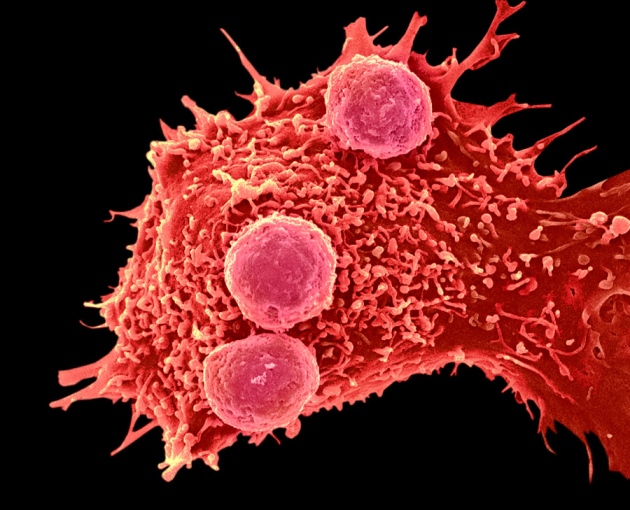
According to an Associated Press report, an oncology professor at the University of Pennsylvania used the CRISPR gene editing tool to genetically modify the blood cells of three late-stage cancer patients. Doctors extracted immune system cells from the patients' blood and genetically modified them to help the patients fight cancer. This is the first attempt in the United States to use CRISPR gene editing to treat cancer.
The three patients were all over sixty years old; two had multiple myeloma and one had sarcoma. After receiving conventional surgery, radiotherapy and chemotherapy, their cancers had still spread. The research team led by Dr. Edward Stadtmauer, professor of oncology at the University of Pennsylvania, decided to use CRISPR gene editing technology to help modify the patients' T cells.
Out of concern that gene editing technology could go wrong, the researchers first extracted T cells from the patients' blood and then used CRISPR-Cas9 editing to remove three genes that could interfere with the cells' ability to fight cancer or cause side effects. In this editing process, the natural receptors of the T cells were first removed to ensure that the immune cells bind to the correct sites on cancer cells, and then PD-1 was edited out, because it can sometimes prevent T cells from doing their job.
Subsequently, the researchers engineered the T cells to insert a receptor (TCR) that would guide the edited T cells to target an antigen called NY-ESO-1. This antigen is expressed only in some cancer cells and is rarely found in normal tissues. This means patients must be screened in advance to ensure they can be treated with this method.
Once the edited cells were infused, the number of cells in the patients' bodies increased 10,000 to 100,000 times. In subsequent blood tests, the CRISPR-edited T cells in the three participants all expanded and survived. Although none responded to the treatment, there were also no serious treatment-related adverse events.
Dr. Richard W. Vague, a professor of medicine involved in the research, said: "The approach we are using is not intended to alter DNA in the human body, but is a form of immunotherapy whose purpose is to enhance the patient's own ability to fight cancer."
Although it is not yet certain whether the therapy will truly cure cancer, the focus of this study is to ensure the process is safe and feasible. Once FDA approval is obtained, doctors said they will be able to target different genes and fight cancer more effectively. In the future, the researchers plan to treat 15 more patients and evaluate safety and efficacy. References: [1] Crispr Takes Its First Steps in Editing Genes to Fight Cancer [2] Early Results from First-In-U.S. Trial of CRISPR-Edited Immune Cells for Cancer Patients Suggest Safety of Approach [3] Doctors try CRISPR gene editing for cancer, a first in the US. Source: 生物探索.

About Reforgene
Reforgene Medicine is one of China's leading innovative gene editing drug companies, driven by gene editing technology and dedicated to bringing novel medicines to life. The company has pipeline programs across genetic diseases and complex diseases. Its innovative beta-thalassemia medicine has achieved globally leading clinical progress, and it achieved the world's first cure of an alpha-thalassemia patient.
Media Contact
info@reforgene.com · BD@reforgene.com